
Knowledge that fits the realities of the Global South.
The Impact Research Institute turns rigorous, context-grounded research into action — designing the indicators that measure real change, and inviting partners to build that knowledge with us.
We believe low- and middle-income countries can think for themselves — starting from their own realities and their own knowledge.
State-accredited by MERSI · No. 2020/MESRSI/SG/DGRSI/0000667
- State-accredited (MERSI)
- 2020
- Countries on the board
- 7
- Cross-disciplinary research themes
- 8
- Continents among the founders
- 3
A virtuous circle: think, know, act, improve
We first think, then build knowledge, then act for change — which improves lives. Each step feeds the next.
- 01
Think
Thought helps generate and update knowledge.
- 02
Know
Knowledge defines the changes required and the actions needed.
- 03
Act
We act on those changes on the ground.
- 04
Improve
We sustainably improve livelihoods and capabilities.
Eight ways we turn knowledge into action
Each theme studies a different lever of development — and the eighth, FIMAC, cross-breeds them all.
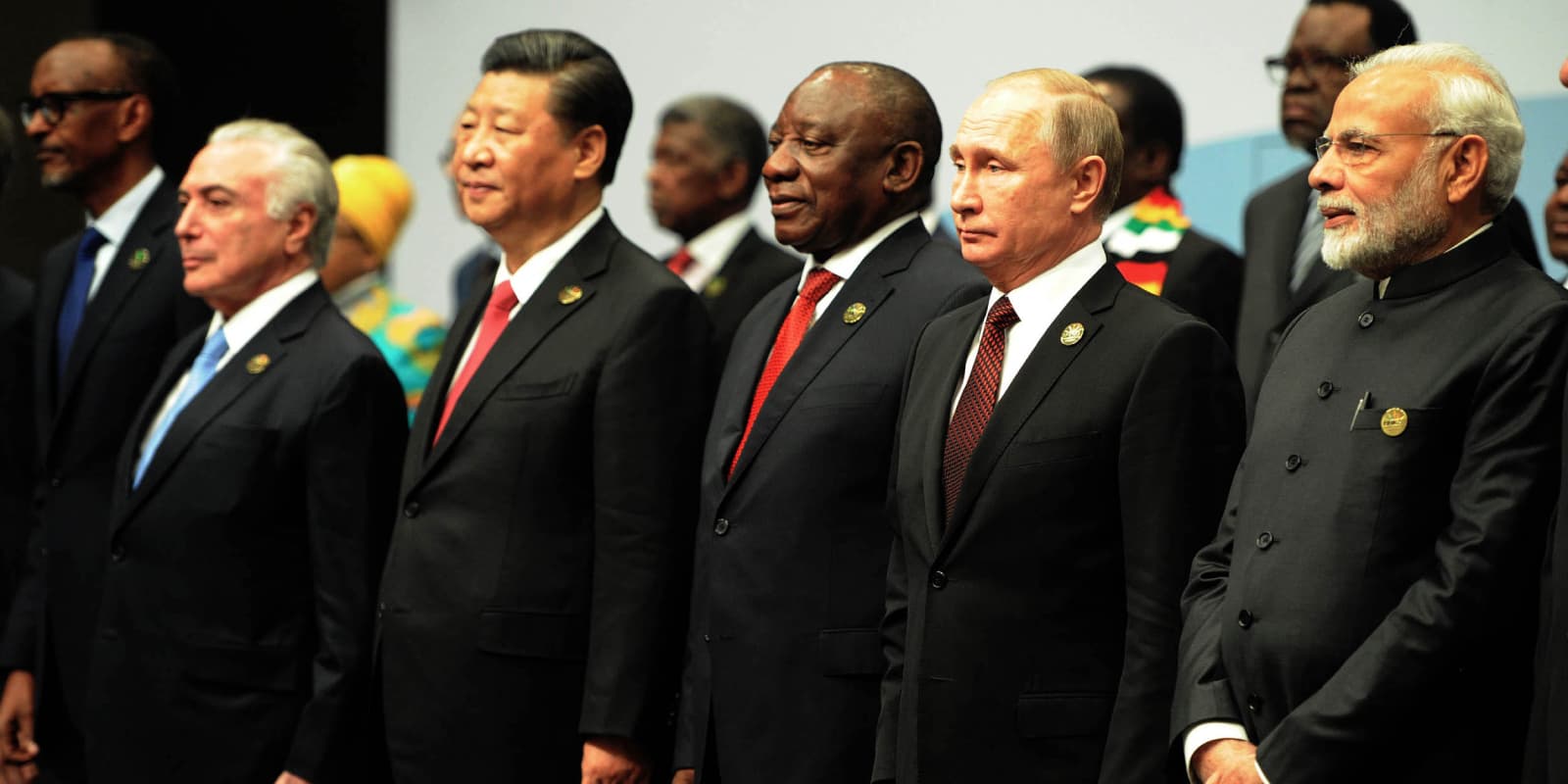
Geopolitics & governance
How geopolitical and geostrategic interference shapes economic and political governance — local, national, and transnational.
Regional sectoral policies
Updates, assessment, and perspectives on the sectoral policies that shape regional development.
Land, resources & new energy
Governance of land and natural resources, and new energy pathways for sustainable development.
People, vulnerability & inclusion
Putting people first: vulnerability and inclusion as the test of any development effort.
Urban & rural innovation
Innovation for (peri-)urban and rural development — bridging the gap between the two.
Business, enterprise & jobs
Business, entrepreneurship, and the labour market as engines of dignified livelihoods.
Digital innovation for change
Digital innovation aimed squarely at social change, not technology for its own sake.
Cross-breeding ideas
Feeding innovative minds for multi-sector action by cross-breeding all the themes above.
Featured publications
Reports, policy briefs, and working papers grounded in context-specific data.
November 2025 · IRI Research Collective
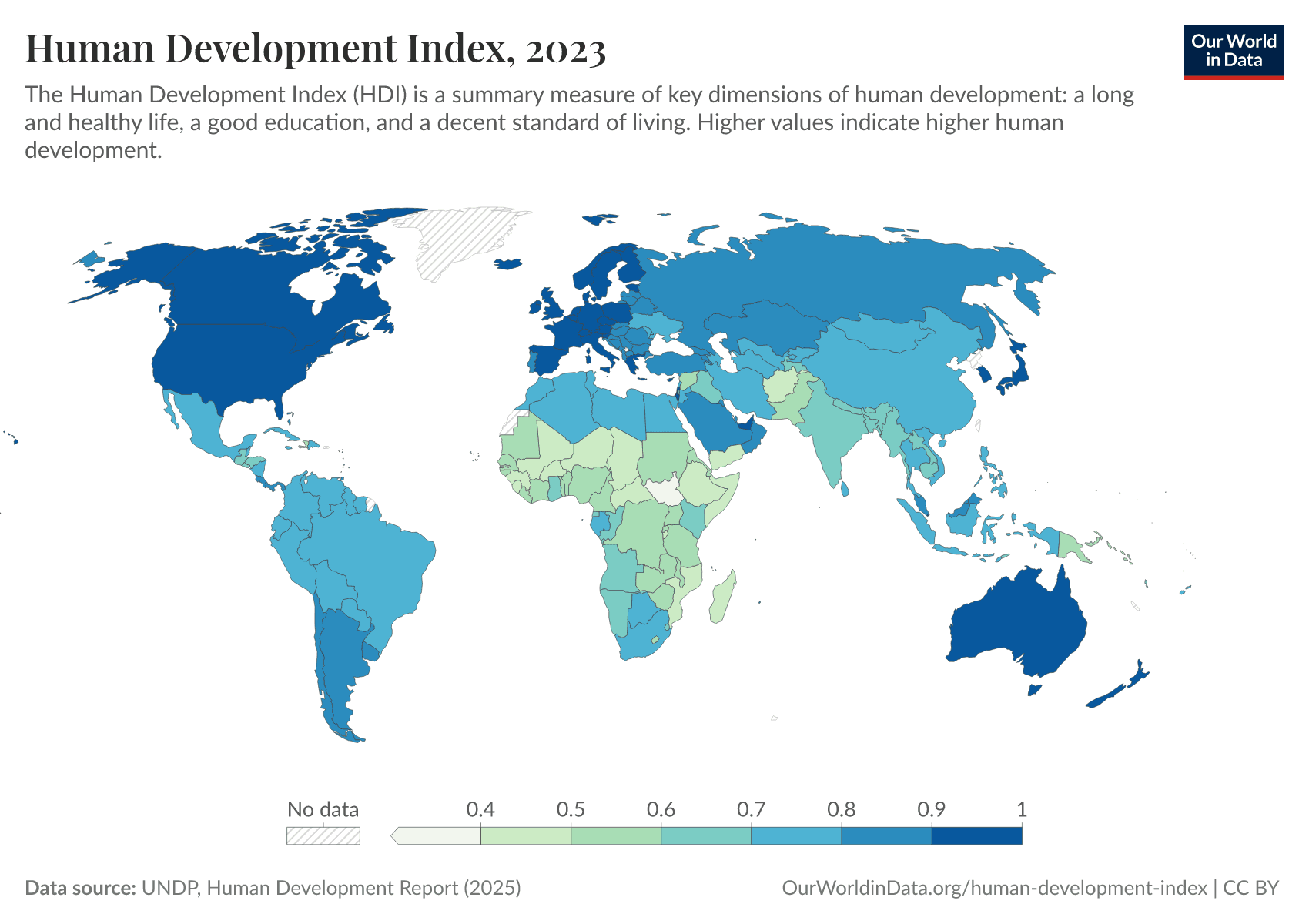
Rethinking Development Indicators for the Sahel
A critical review of the indicators used to measure progress in the Sahel, and a proposal for context-grounded alternatives co-designed with local actors.
September 2025 · A. Ouédraogo
Land Governance Under Pressure: A Policy Brief
Eight recommendations for fairer, more transparent land governance as competition for resources intensifies across the region.
June 2025 · K. Mensah
Digital Tools and Rural Inclusion: What Actually Works
Field evidence on which digital interventions reach the most vulnerable rural households — and which quietly leave them behind.
Latest news & events
Talk-events, trainings, and field updates from across our network.
- 28 May 2026Partnership
IRI joins a new cross-country research network
Researchers from four countries will share data and methods to study governance across borders.
- 10 April 2026Talk-event
Recap: our spring talk-event on inclusive indicators
Scholars, practitioners, and policy makers gathered in Dédougou to debate what we should be measuring — and why.
- 2 March 2026Publication
New working paper on digital inclusion is out
Our latest paper looks at which digital tools genuinely reach rural and peri-urban communities.
Trusted by universities, funders, and governments
We grow knowledge with partners — from local to international.

Let's build knowledge that fits your context
Researchers, universities, policy makers, NGOs, and funders: there is a clear path to work with IRI.